








How to Do Your First Pull-Ups: A Beginner's Guide
Pull Ups are considered the most powerful way to build your upper body strength. It significantly increases your back and arm muscles and strengthens your core. Your whole upper body takes strength while you perform pull ups on a bar. It definitely takes a lot of strength which makes it quite challenging for the beginners. If you’re a beginner and ready to do your first pull-ups, then these things will help you out in the best way-
Key Highlights
- Importance of Pull-Ups: Know why pull-ups are worth it.
- How to do your First Pull-Ups: Steps to do it better.
- Get Faster Results: Tips to follow.
Why Pull- Ups Are Worth It?
Before we delve into the “how” part, it’s necessary to understand the reasons why pull-ups are worthy of a spot in your workout routine permanently:
- Full-Body Engagement: Pull-ups are not the ones that only affect one muscle group. They make your shoulders, biceps, triceps, chest, and abs stronger and give you a balanced and toned upper body.
- Strengthens Core: A strong core is a must for stability, and with pull-ups, you can easily and effectively tighten and tone those muscles.
- Posture Correction: Back and shoulder strength contribute to correcting hunching of the back and to promoting better posture.
- Grip Power: The bar hold increases your grip endurance, which is also advantageous for other lifts like deadlifts and rows.
- Functional Strength: Pull-ups re-educate the body in a correct way to move, leading to better coordination, more mobility, and higher performance in sports and daily activities.

Steps To-Do Your First Pull-Ups
Well, now you’re informed about why pull ups are worth it to be included in your routine, let's understand how to do your first one-
Start with Muscle Training
Before your pull-ups, strengthen your muscles separately so that they can work harmoniously together to help you do the pull ups. Strengthen Lat pulldowns, bend-over curls, bicep curls, and core (planks, leg raises).
Start with these exercises-
- Lat Pull-downs: Imitate the pull-up bar move and make your lats stronger.
- Bodyweight Rows (Inverted Rows): Strengthen the back and arms with the help of a bar or suspension.
- Planks & Hollow Holds: The core will be engaged to keep the body stable.
- Bicep Curls & Push-ups: They will help with both arm strength and endurance.
Master the Negative
There is no need to worry if you still can't do a pull-up! Just start by mastering the negative pull-ups, which, among other things, will greatly help you develop strength and control.
Jump or use a platform, begin by placing your chin above the pull-up bar. While you are in the position, lower your body very slowly in a controlled way, taking about 3 to 5 seconds to reach the end. Through this, you are training your back, arms, and core through this slow, controlled movement, and at the same time, you are teaching your body to cope with the full movement range.
Build with Assisted Pull-Ups
You should not try to go for the full pull-up until your body is totally unassisted. First, give your body a boost. This is exactly the moment when assisted pull-ups come into play, they let you work your muscles through the whole motion but with less effort.
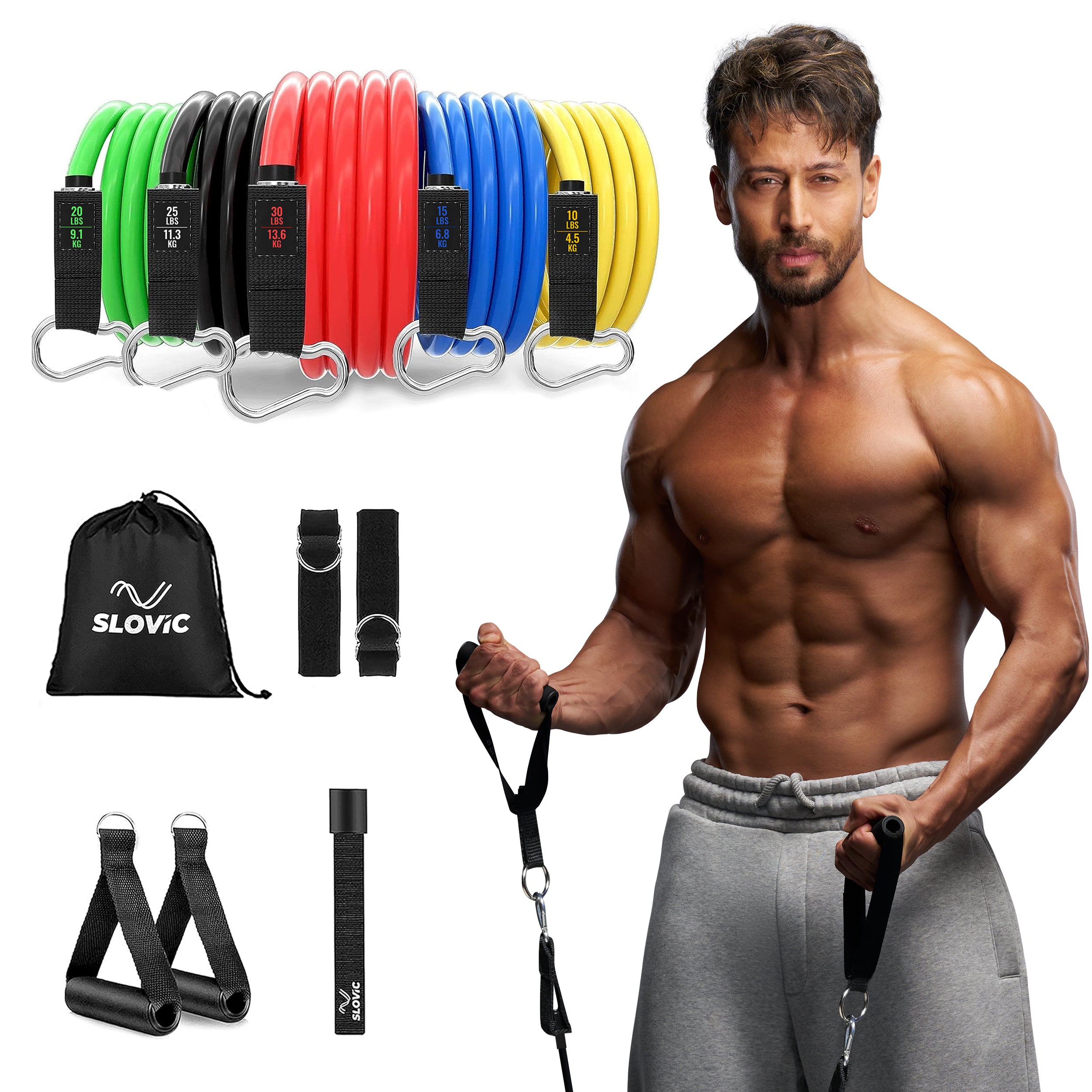
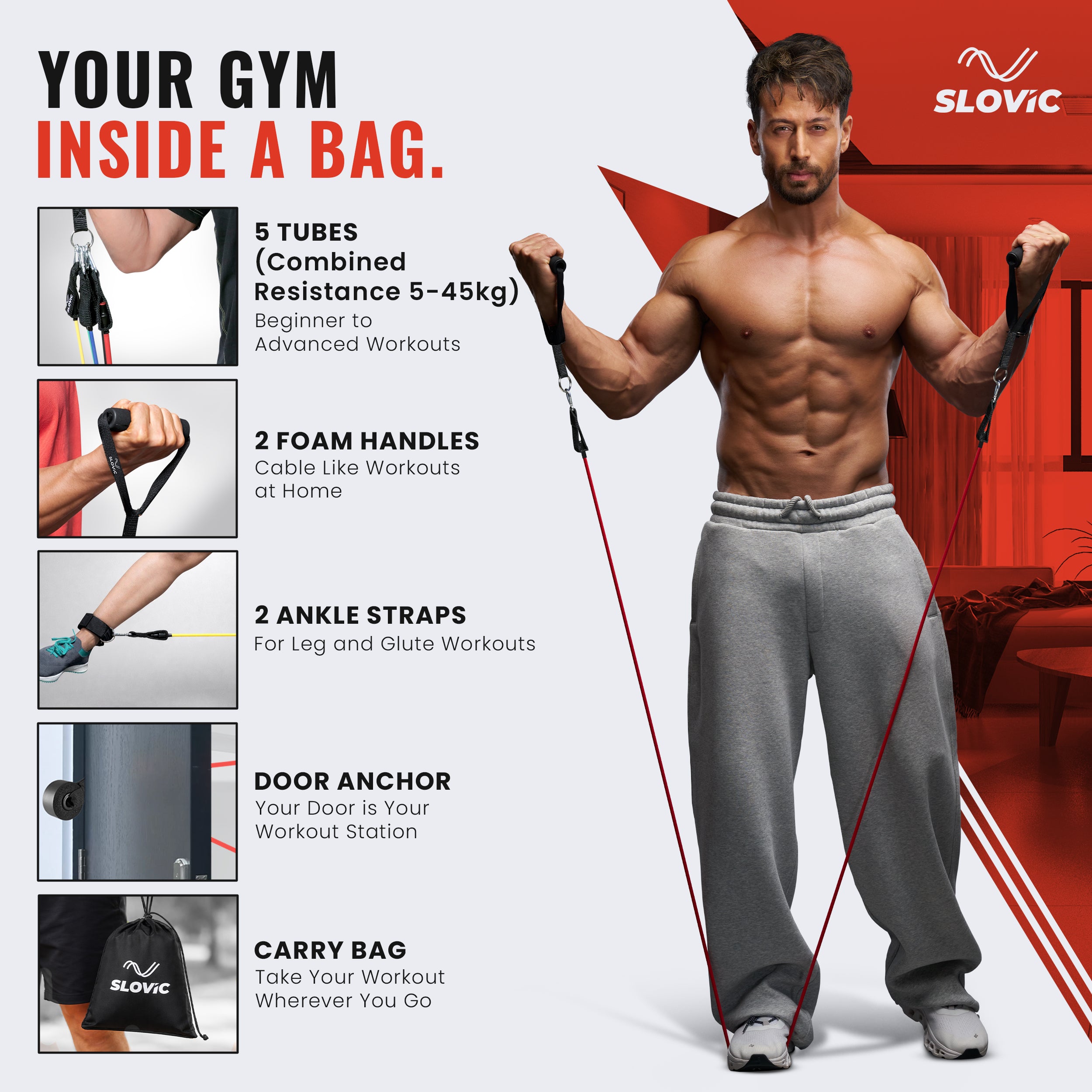
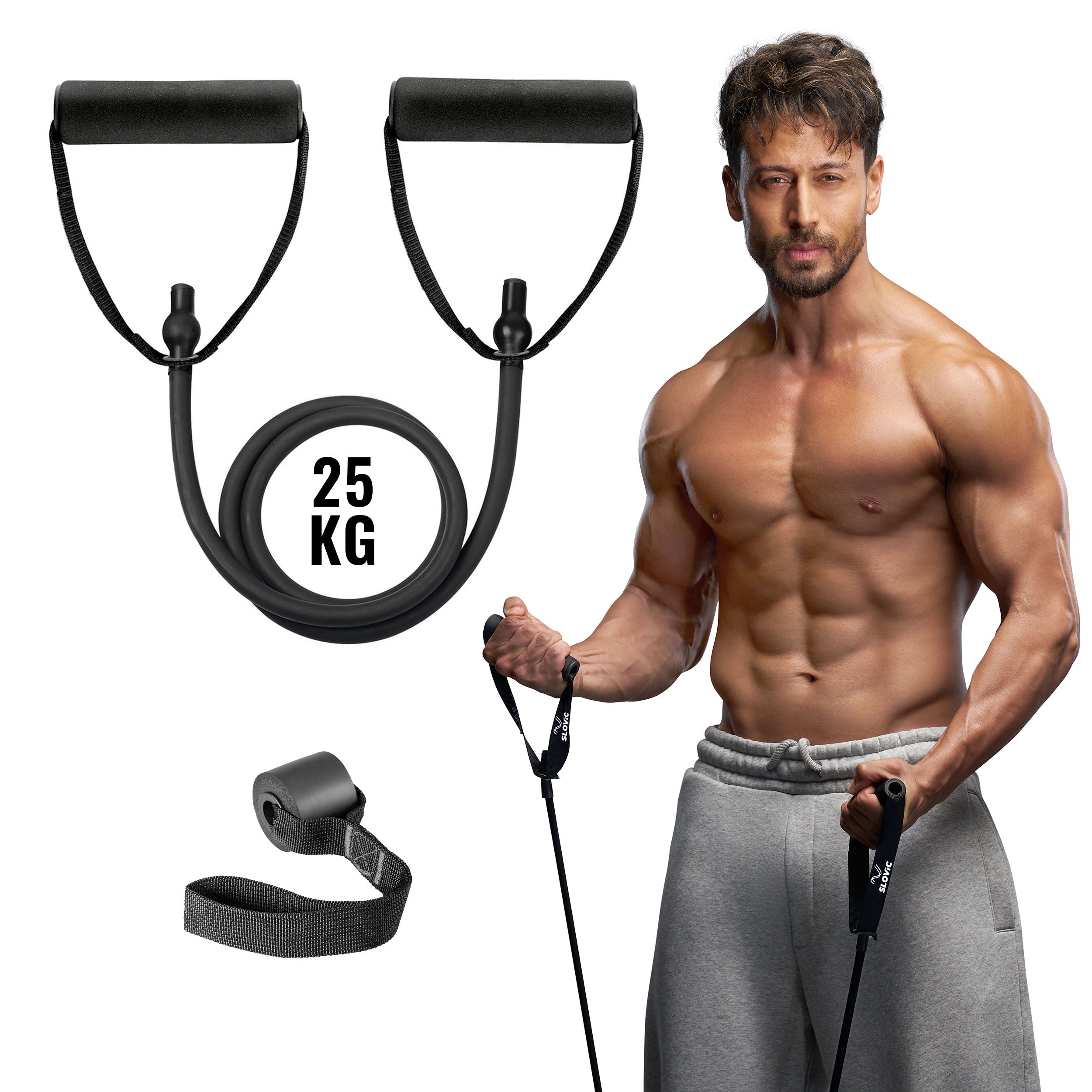
For instance, you might have a resistance band aiding you by being looped around the Pull Up bar and underneath your knee or foot for some help going up. In another scenario, you could have a partner — letting your workout buddy give a little bit of leg support as you pull.

Use the Right Pull Up Bar
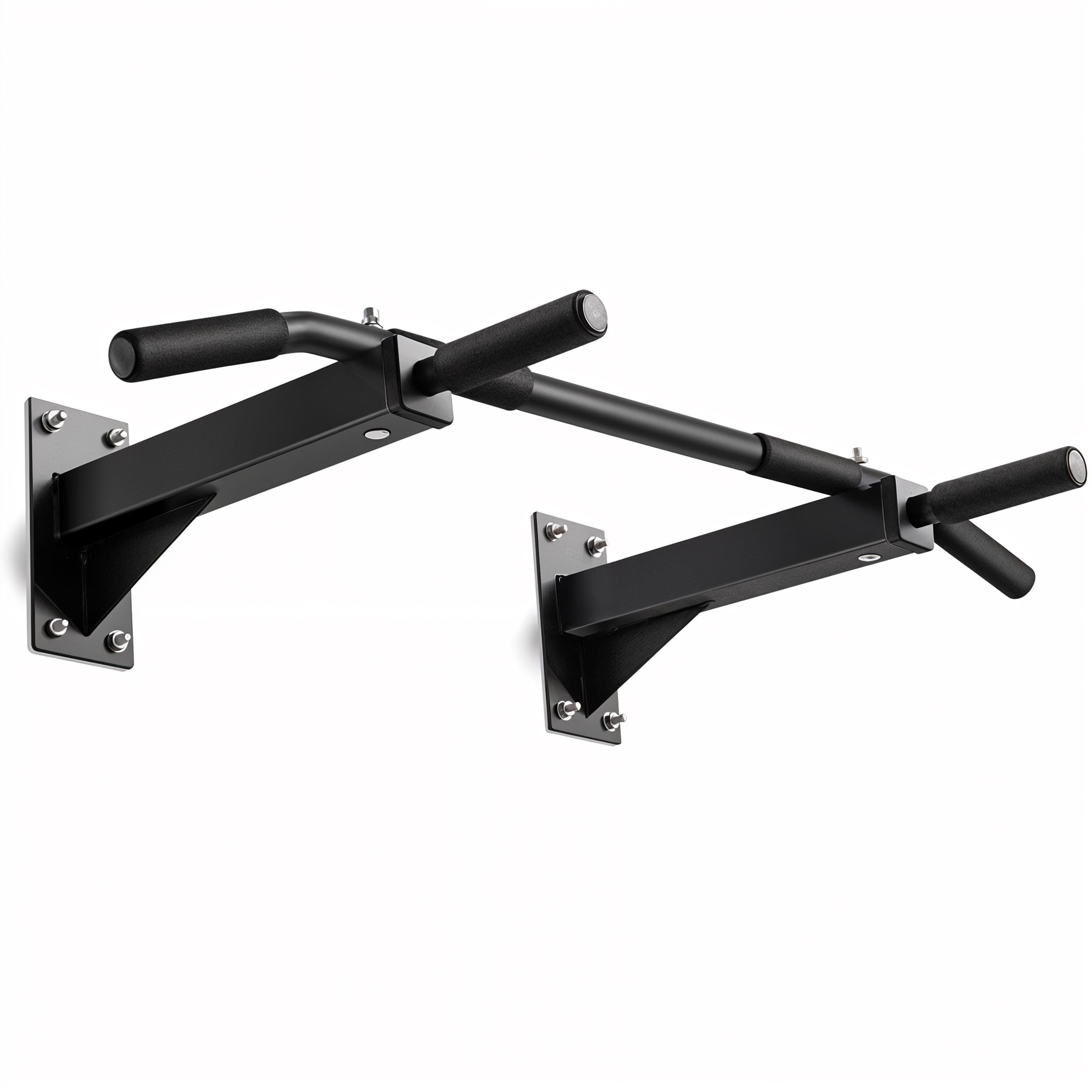
Your home workout might become much better if you use the right and effective pull-up bar for home. You need the material to be long-lasting, and it should have high load-bearing capacity so that you can exercise without worrying about safety.
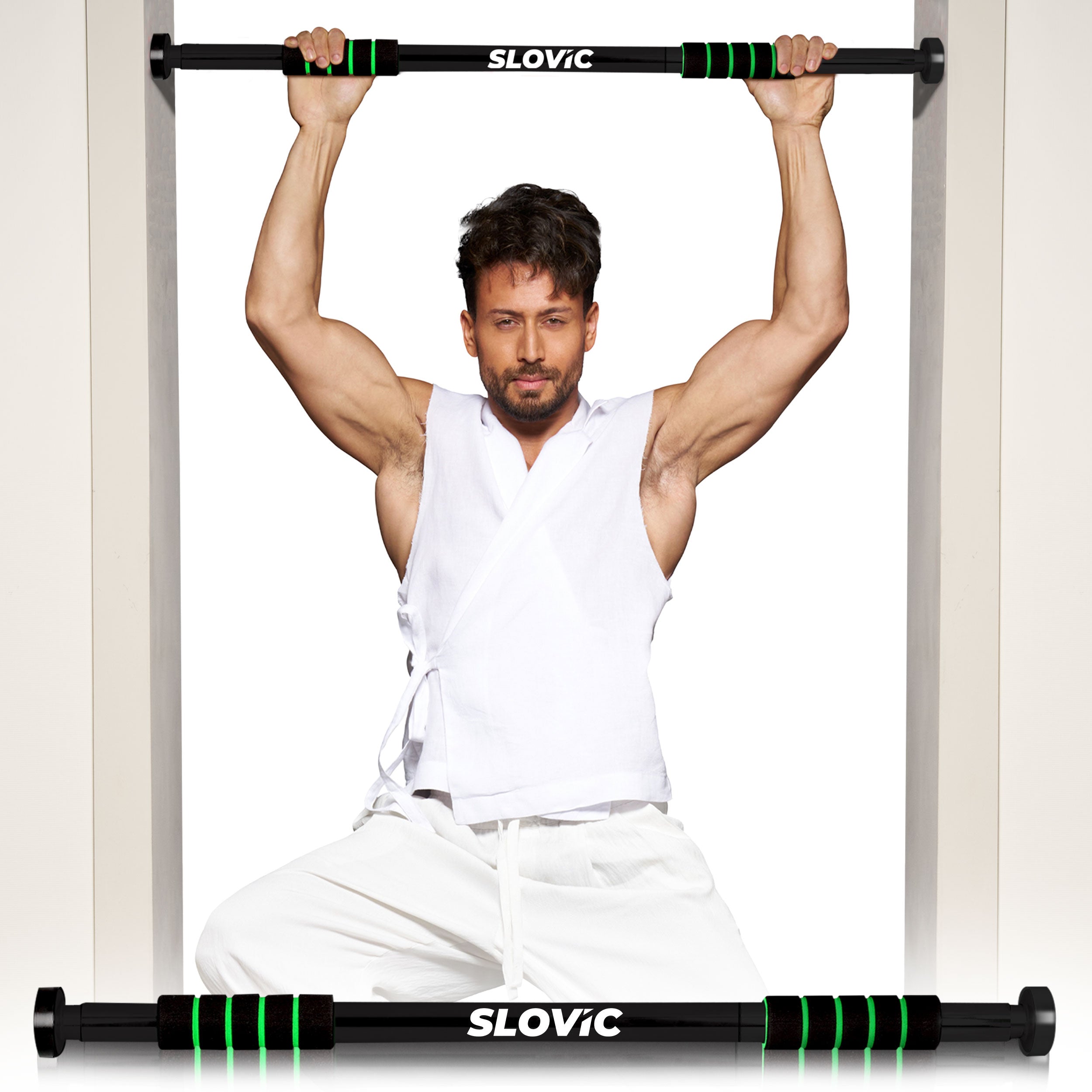
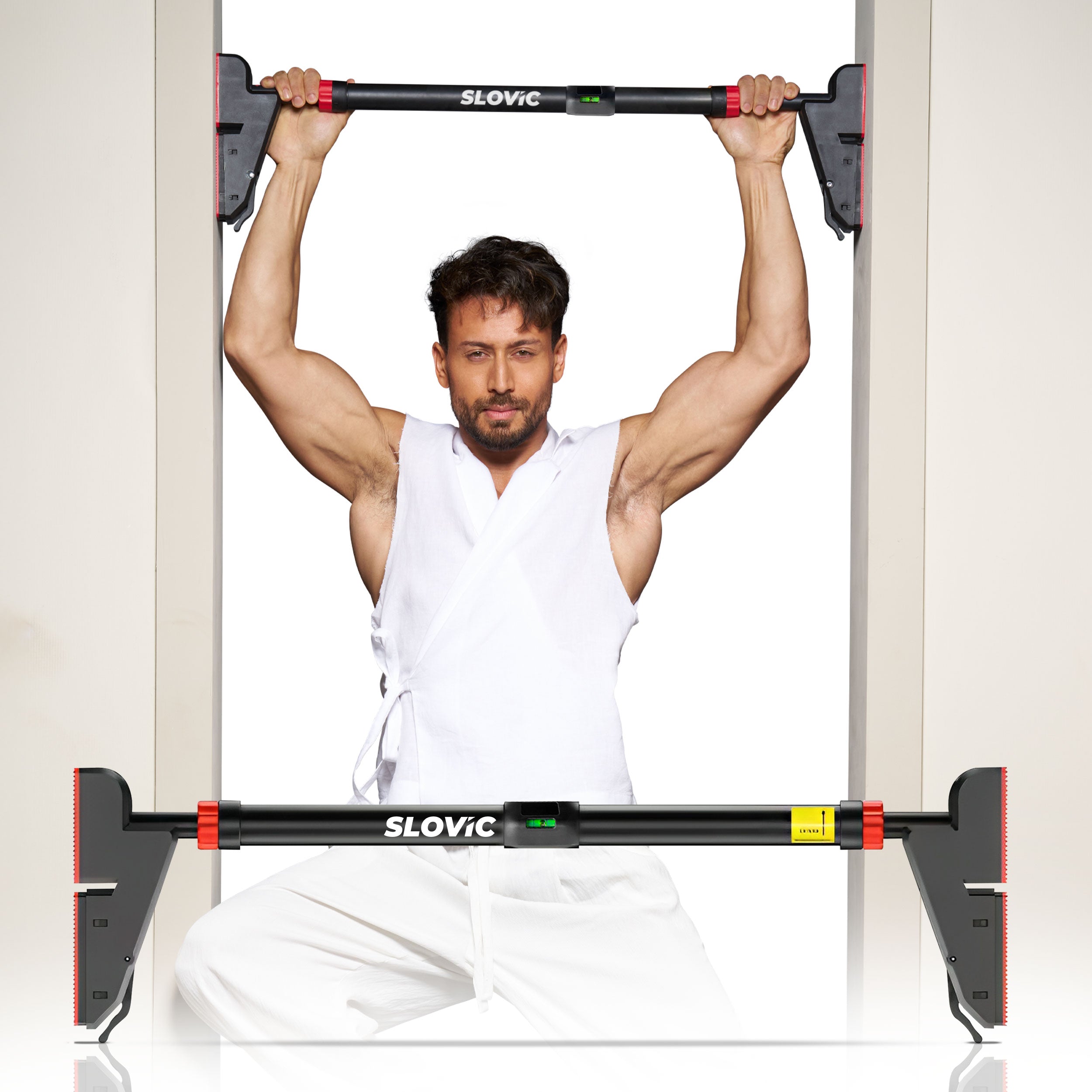
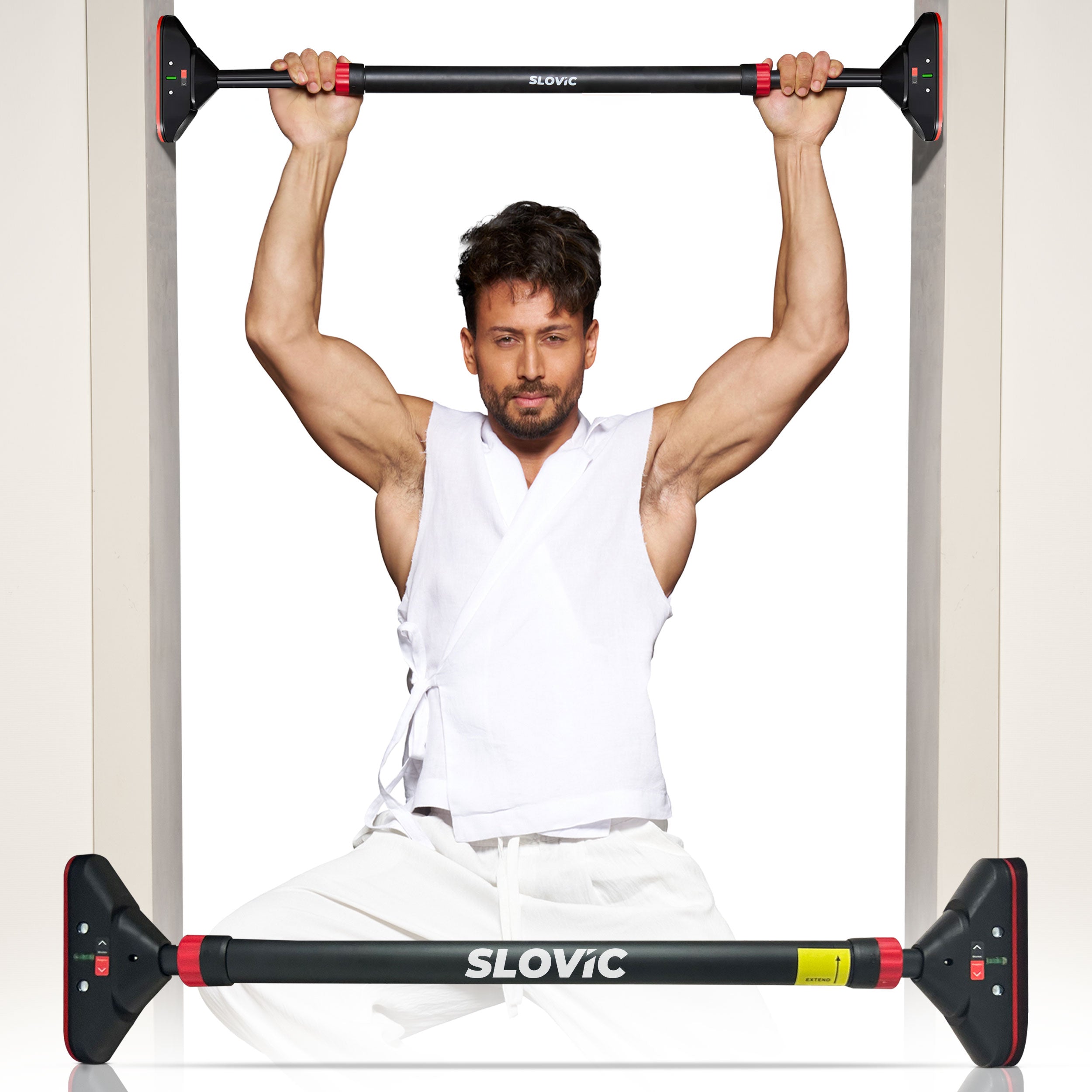
The Slovic Pull Up bar for home requires no screws and effortlessly fits most door frames. It delivers safety with its triple safety locking mechanism, preventing rotation during exercise. You can do a variety of exercises, including pull-ups, chin-ups, sit-ups, leg raises, and knee raises. It is non-slip and perfect for practicing your pull-ups.
Frequency and patience
In pull-ups, consistency is the ultimate winner in every case. So, aim for practice two to three times a week; that will give your muscles enough time to get used to it and get stronger, and also let them recover.
Focus on getting your posture right and maintaining that throughout the rep. You need to know that progress is more important than the results. There will be days when you feel powerful, and there will be days when you won’t feel that way at all, and that’s just fine. All you need to do is maintain consistency.
Your first pull up = your first win
Last but not least, don’t forget to celebrate your win. When you manage to pull yourself up for that first full rep, it’s time for a reward. That initial pull-up is not simply a fitness accomplishment, but it also shows your commitment, power, and incredible patience.
Record it. Let others know. Show off a little (or even a lot). You have put in a lot of effort to reach this point, and the moment indeed calls for recognition.

Tips for Faster Results
Warm Up
Before every workout, don’t forget to warm up. It enhances your body temperature and makes your muscles more flexible to perform better and safer workouts.
Enhance your grip strength
Enhancing your grip strength might help you to perform your pull-ups much better, leading to better results within lesser time. Your posture matters and with a good grip you’re likely to achieve it sooner.
Train your core
Pull ups help to strengthen your upper body, including strengthening your core. You can also train your core otherwise for better full body strength.
Don’t forget to rest
No need to exhaust your body in order to get results faster. It’s important to focus on your progress day by day and this includes taking ample rest to let your body recover.
Have Patience
Patience and consistency is the key to achieving long-lasting results. Everything takes time and patience, all you need to do is be consistent, show up for your exercises and get the results you want.
Conclusion
Doing your first pull-up is not as difficult as you think if you follow the right steps and techniques. Gain your upper body strength in the best way possible by following the above-mentioned techniques and ideas. It’s significant that you focus on your posture and consistency for faster and effective results. With this information, we hope that you have got what you needed and can pull yourself up for that full rep!
Sources
-
Wikihow: How To Do Pull Ups for Beginners
-
Puregym: Pull Ups For Beginners
-
Holmesplace: A Beginner’s Guide to Pull-Ups - The Best Tips to Pull it Up


