

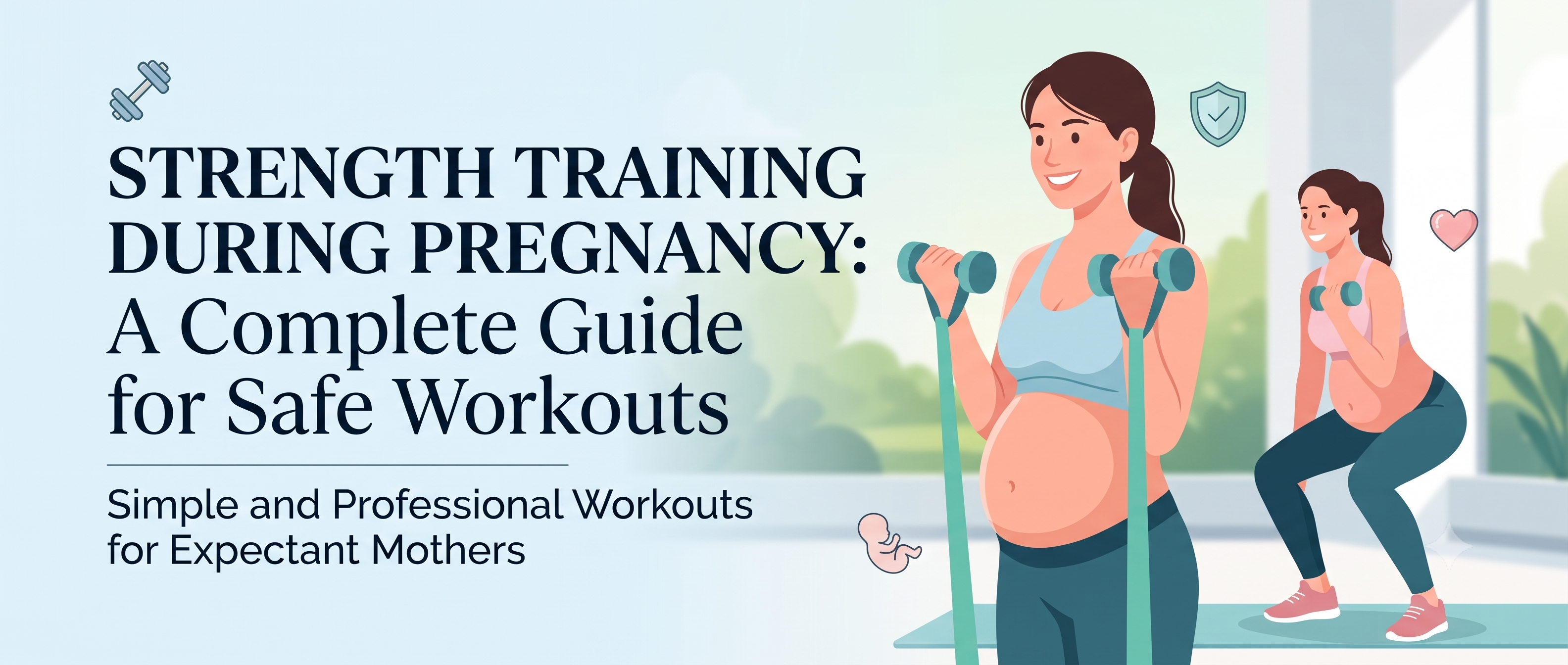
Can You Strength Train While Pregnant?
yes – and it's highly recommended! The more active and fit you are during pregnancy, the easier it will be to adapt to your changing shape and weight gain. Strength training helps you build the stamina needed for labour and prepares your body for the demands of motherhood.
Whether you're a seasoned weightlifter or new to strength training, this comprehensive guide covers everything you need to know about safe exercise during pregnancy.
Key Takeaways
-
Strength training during pregnancy helps prevent back pain, builds labour stamina, lowers complication risks, and boosts confidence
-
Most pregnant women can safely exercise but always consult your healthcare provider before starting any routine
-
Choose appropriate equipment – dumbbells, resistance bands, or bodyweight exercises are excellent options
-
Listen to your body and modify exercises as your pregnancy progresses through each trimester
Benefits of Strength Training During Pregnancy
1. Reduces Back Pain
Strengthening your abdominal and back muscles helps support your growing bump and eases lower back discomfort. The NHS recommends specific stomach-strengthening exercises that can make a significant difference.
2. Builds Labour Stamina
Strong muscles and cardiovascular fitness help you cope with the physical demands of labour and delivery.
3. Lowers Complication Risks
Regular strength training can reduce the risk of:
-
Gestational diabetes
-
Preeclampsia
-
Excessive pregnancy weight gain
4. Improves Balance and Posture
As your centre of gravity shifts, strong muscles help prevent falls and maintain proper posture.
5. Boosts Mental Wellbeing
Exercise releases endorphins, reducing stress and pregnancy-related mood swings.
6. Potentially Benefits Baby's Development
Research suggests that babies born to women who exercised regularly during pregnancy may have healthier body composition.
Types of Strength Training Equipment for Pregnancy
Free Weights: Dumbbells and Kettlebells
Free weights offer versatility and can be used for countless exercises. They allow natural movement patterns and engage stabilising muscles.
Explore our Dumbbells Collection
Best options for pregnancy:
-
Hex Dumbbells – Ergonomic design with comfortable grip
-
Adjustable Dumbbells – Space-saving and versatile for progressive training
-
Neoprene Dumbbells – Comfortable grip and available in lighter weights
Weight Ranges for Different Fitness Levels
| Weight Range | Best For | Shop Collection |
|---|---|---|
| 2.5 kg Dumbbells | Beginners, warm-up exercises | Shop 2.5 kg |
| 5 kg Dumbbells | Intermediate, general strength | Shop 5 kg |
| 7.5 kg Dumbbells | Experienced lifters | Shop 7.5 kg |
| 10 kg Dumbbells | Advanced strength training | Shop 10 kg |
| 12.5 kg Dumbbells | Heavy lifting (use with caution) | Shop 12.5 kg |
Resistance Bands
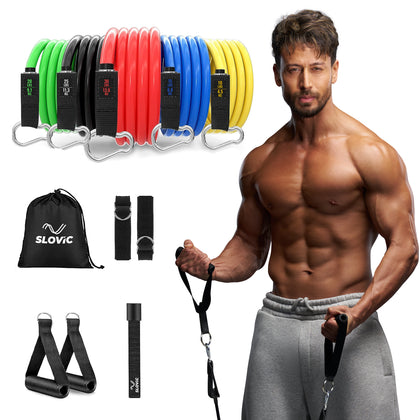
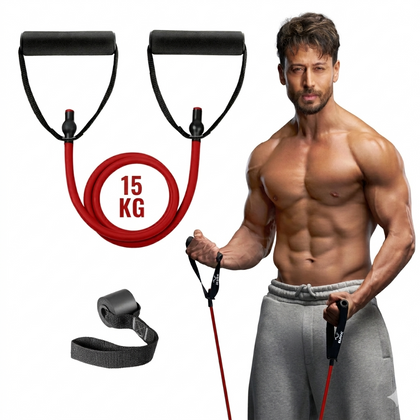
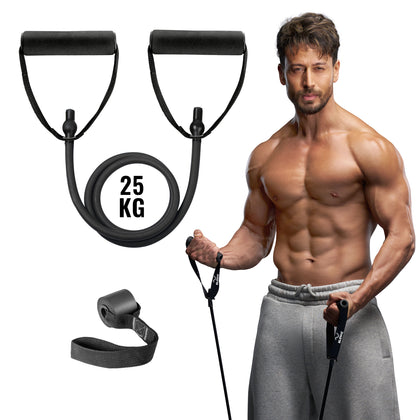
Lightweight, portable, and safe – resistance bands provide excellent strength training without heavy weights. They're perfect for home workouts and travel.
Weight Machines
Commercial gym equipment offers guided movement patterns, which can be safer during pregnancy when balance is compromised.
Bodyweight Exercises
Never underestimate the power of bodyweight training! Modified push-ups, squats, and lunges are effective and safe.
Safe Dumbbell Exercises for Each Trimester
First Trimester (Weeks 1-13)
What's happening: You may feel fatigued and nauseous, but your body hasn't changed dramatically yet. This is a good time to continue your regular routine with modifications.
Safe Exercises:
-
Seated shoulder presses (light weights)
-
Bicep curls
-
Tricep extensions
-
Squats with dumbbells
-
Bent-over rows (light weight)
Second Trimester (Weeks 14-27)
What's happening: Your bump is growing, and your centre of gravity is shifting. Relaxin hormone makes joints looser – be cautious with range of motion.
Safe Exercises:
-
Avoid lying flat on your back – use an inclined bench instead
-
Seated exercises to improve stability
-
Lateral raises (light weights)
-
Resistance band rows
-
Wall squats with dumbbells
-
Modified push-ups
Third Trimester (Weeks 28-40)
What's happening: Your body is preparing for birth. Focus on stamina, pelvic floor strength, and gentle conditioning.
Safe Exercises:
-
Pelvic floor exercises – essential for all pregnant women
-
Light resistance band work
-
Seated bicep curls
-
Gentle squats with support
-
Wall push-ups
Exercises to Avoid During Pregnancy
Never Do These:
-
Lying flat on your back after 16 weeks – The weight of your baby compresses the major vein returning blood to your heart
-
Heavy overhead lifts – Risk of dropping weights on bump or straining lower back
-
Deadlifts and deep forward bends – Compresses the belly and tightens back muscles
-
Contact sports – Kickboxing, judo, squash (risk of being hit)
-
Scuba diving – Baby has no protection against decompression sickness
-
Exercise at altitudes above 2,500m – Risk of altitude sickness
-
Heavy barbell exercises after 12 weeks – Especially behind the neck
-
CrossFit-style circuits – Unless you have extensive experience and medical clearance
-
Abdominal rotation machines
-
Holding your breath (Valsalva manoeuvre) – Decreases oxygen flow to baby
Essential Safety Tips for Strength Training During Pregnancy
Before You Start
-
Consult your maternity team – Get medical clearance before beginning or continuing any exercise routine
-
Warm up properly – 5-10 minutes of light cardio and dynamic stretches
-
Stay hydrated – Drink plenty of water before, during, and after workouts
During Your Workout
-
Maintain the "conversation test" – You should be able to hold a conversation while exercising. If you're breathless, slow down
-
Breathe normally – Exhale on exertion, inhale on return
-
Listen to your body – Stop if you feel pain, dizziness, or overheating
-
Protect your back – Bend at the knees, keep abdominal muscles engaged
-
Protect your pelvic floor – Tighten these muscles before lifting any weight
-
Focus on technique – Prioritise form over weight and repetitions
Equipment Considerations
-
Choose the right weight – If it feels heavy to you, it's too heavy. No official guidance exists on specific weight limits – what matters is how it feels for YOU
-
Check your equipment – Ensure dumbbells, benches, and machines are in good working order
-
Get professional guidance – Find a qualified instructor who understands pregnancy exercise
When to Stop Exercising Immediately
Stop and contact your maternity team if you experience:
-
Vaginal bleeding
-
Dizziness or feeling faint
-
Shortness of breath before starting
-
Chest pain
-
Headache
-
Muscle weakness
-
Calf pain or swelling
-
Preterm labour symptoms
-
Decreased foetal movement
-
Fluid leakage from the vagina
Choosing the Right Dumbbells for Your Pregnancy Workout
For Beginners
Start with lighter weights and focus on technique. We recommend:
Dumbbells Under ₹1,000 – Affordable entry point for beginners
5 kg Dumbbells – Comfortable starting weight for most women
Neoprene Dumbbells – Comfortable grip, perfect for pregnancy
For Intermediate/Experienced
If you were lifting before pregnancy, you may continue with moderate weights:
Adjustable Dumbbells – Versatile and space-saving
7.5 kg Dumbbells – Good intermediate weight
10 kg Dumbbells – For experienced lifters
For Home Gyms
Adjustable Dumbbell Set – Complete solution for home workouts
Weight options: 20kg, 30kg, 40kg, 50kg sets
Dumbbell vs Fixed Dumbbells for Pregnancy
Confused about which type to choose?
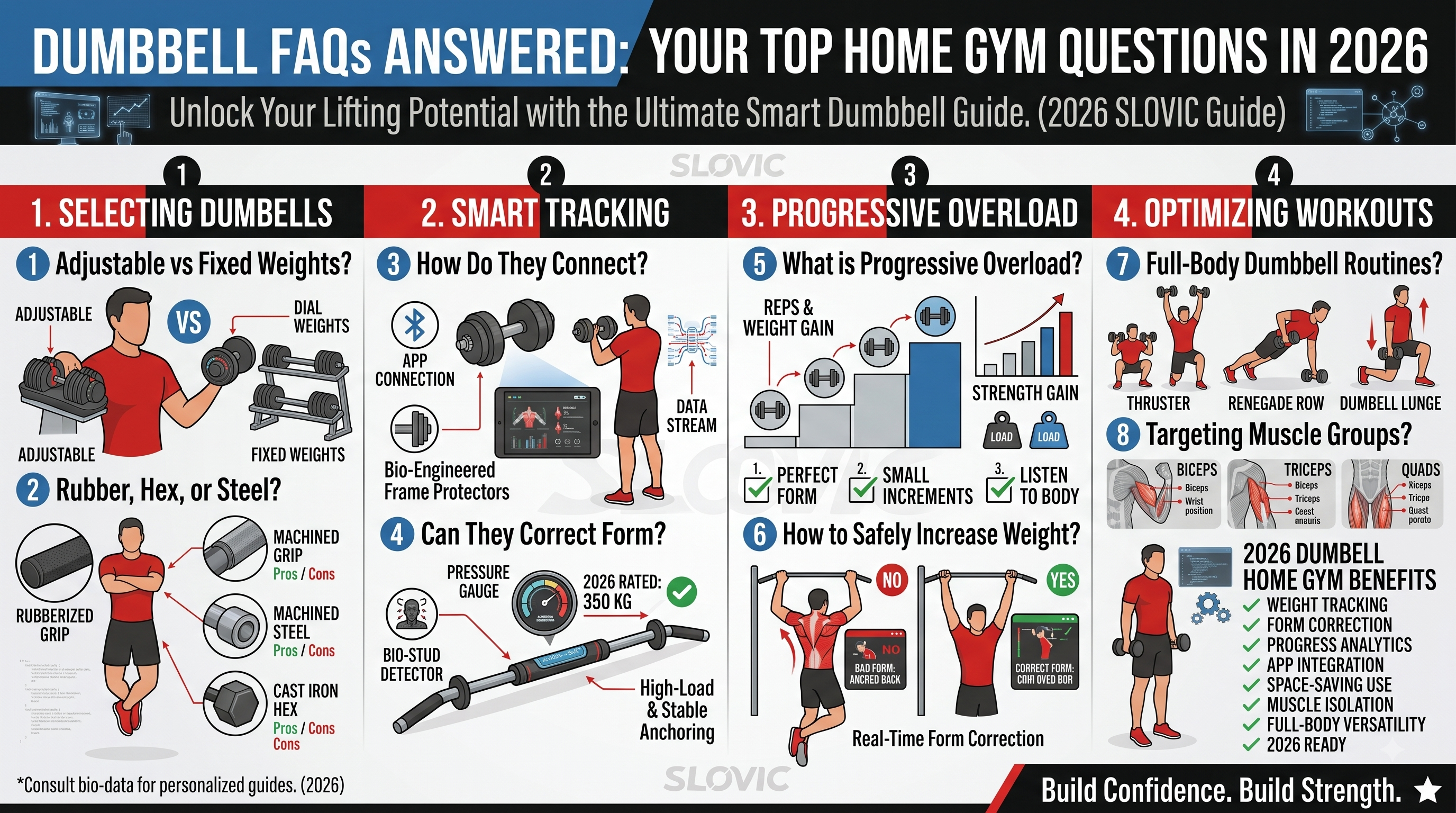
Read our complete guide: Adjustable Dumbbells vs Fixed Dumbbells
Quick comparison:
| Feature | Adjustable Dumbbells | Fixed Dumbbells |
|---|---|---|
| Space-saving | ✅ Yes | ❌ Takes more space |
| Weight range | ✅ Multiple options | ❌ Fixed weight |
| Cost-effective | ✅ One set covers all | ❌ Need multiple pairs |
| Quick changes | ❌ Takes time | ✅ Immediate |
| Best for | Home gyms | Commercial gyms |
Sample 10-Minute Pregnancy-Friendly Dumbbell Workout
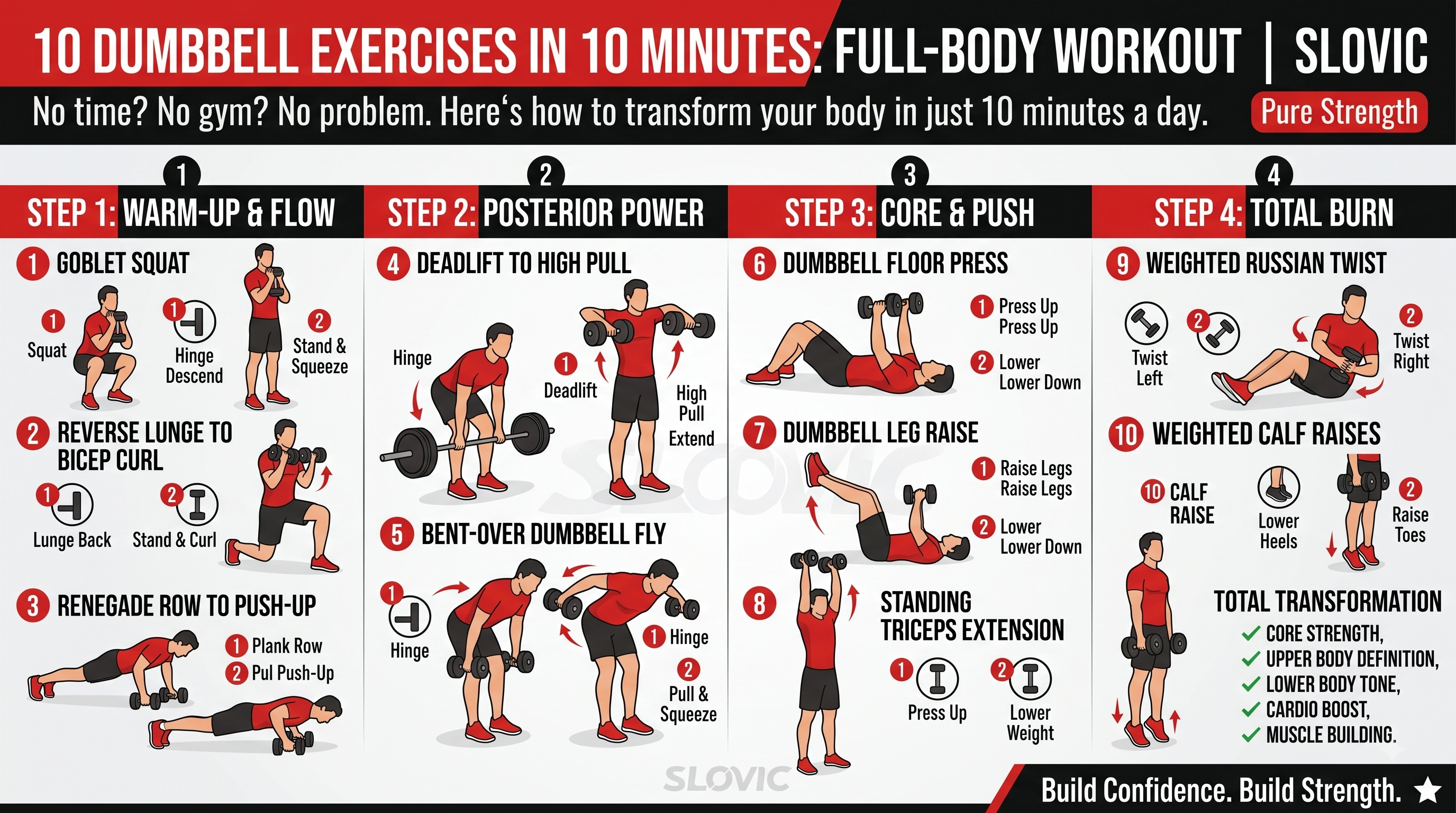
Try our 10-Minute Full Body Dumbbell Workout
Warm-up (2 minutes)
-
Marching in place with arm circles
-
Gentle neck rolls
-
Shoulder shrugs
Main Workout (6 minutes - 1 minute each)
-
Seated Bicep Curls – 12 reps
-
Lateral Raises – 10 reps (light weight)
-
Wall Squats with Dumbbells – 12 reps
-
Seated Shoulder Press – 10 reps
-
Bent-over Rows – 12 reps (light weight)
-
Tricep Extensions – 10 reps
Cool-down (2 minutes)
-
Gentle stretches
-
Deep breathing
-
Pelvic floor exercises
Pelvic Floor Exercises: Essential for Every Pregnant Woman
Your pelvic floor muscles support your bladder, bowel, and uterus. During pregnancy and childbirth, these muscles come under immense strain.
How to do pelvic floor exercises:
-
Sit or lie down with knees bent
-
Squeeze the muscles around your back passage and vagina (like stopping urine flow)
-
Hold for 4 seconds, then relax
-
For quick contractions: squeeze and release rapidly
-
For slow contractions: hold for up to 10 seconds
Goal: 3 sets of 8 squeezes daily
Remember: Always tighten your pelvic floor before coughing, sneezing, or lifting weights!
Common Myths About Pregnancy Exercise
Myth 1: "Exercise is dangerous for my baby"
Fact: Evidence shows active women are LESS likely to experience problems in later pregnancy and labour.
Myth 2: "I wasn't active before, so I shouldn't start now"
Fact: You can start gentle exercise during pregnancy – just don't suddenly take up strenuous activity. Start slowly and build gradually.
Myth 3: "I shouldn't lift anything heavy"
Fact: There's no official guidance on specific weight limits. Use weights that feel moderate to you, not heavy.
Myth 4: "I need to stop exercising completely"
Fact: You can continue exercise throughout pregnancy with appropriate modifications.
Myth 5: "Weight training will harm my pelvic floor"
Fact: When done correctly with proper technique, weight training can actually STRENGTHEN your pelvic floor.
Real Stories from Moms Who Trained During Pregnancy
"I trained until the end of my pregnancy. I thought the day would come where I would have to stop, but I found adaptations or regressions I could make so I could keep going."
– Catherine
"I had danced for several years and was worried I would need to stop when I found out I was pregnant. In fact, I was surprised how many benefits there were – albeit with modifications to the intensity and certain movements. My body told me when it was time to stop!"
– Sami
"I've continued strength training [through pregnancy], but I've gone lighter on the weights and focus more on core and glute strength."
– Amy
How to Choose the Best Adjustable Dumbbells
Read our Complete Guide: Best Adjustable Dumbbells for Beginners
How to Choose the Right Adjustable Dumbbells
Best Adjustable Dumbbells in India 2026
Key Factors to Consider:
-
Weight range – Look for sets with multiple options
-
Ease of adjustment – Quick-change mechanisms
-
Build quality – Durable materials that last
-
Grip comfort – Important for pregnancy workouts
-
Storage – Space-saving design
-
Safety features – Secure locking mechanisms
Frequently Asked Questions
Is it safe to lift weights during pregnancy?
For most women, yes – with proper technique and modifications. Always consult your healthcare provider first.
How much weight can I lift while pregnant?
There's no specific limit. Use weights that feel moderate to you. If it feels heavy, it IS heavy for your body. Lighter weights with more repetitions are recommended.
Can I start weight training if I'm new to exercise?
Yes, but start with bodyweight exercises, resistance bands, or very light dumbbells (2-3kg). Get guidance from a qualified instructor.
Can I still use gym equipment during pregnancy?
Yes, but inform your instructor you're pregnant. Avoid lying flat on your back after 16 weeks.
What if I feel faint or dizzy during exercise?
Stop immediately, rest, and drink water. Contact your maternity team if symptoms persist.
Can I exercise in hot weather?
Avoid strenuous exercise in hot weather. Stay hydrated and exercise in temperature-controlled environments.
Conclusion: Strength Training is Your Pregnancy Superpower
Strength training during pregnancy offers incredible benefits for you and your baby. From reducing back pain to building labour stamina, the advantages are clear – and Slovic is here to support your journey with quality equipment and expert guidance.
Remember the golden rules:
-
Always consult your maternity team
-
Listen to your body
-
Focus on technique over heavy weights
-
Modify exercises as your pregnancy progresses
-
Enjoy the journey!
Related Resources
Dumbbell Guides
-
10 Dumbbell Exercises in 10 Minutes – Full body workout
-
Best Adjustable Dumbbells in India 2026 – Complete buying guide
-
Adjustable vs Fixed Dumbbells – Which is better?
Shop by Weight
-
5 kg Dumbbells – Perfect for pregnancy workouts
-
7.5 kg Dumbbells – For moderate strength training
-
Adjustable Dumbbells – Versatile home gym solution
Shop by Collection
-
All Dumbbells – Complete collection
-
Hex Dumbbells – Ergonomic design
-
Adjustable Dumbbell Sets – Complete home solution
Disclaimer
This information is for educational purposes only and does not constitute medical advice. Always consult your healthcare provider before starting or continuing any exercise programme during pregnancy. Individual needs vary – what's safe for one person may not be suitable for another.
About Slovic
Slovic is committed to providing high-quality fitness equipment for every stage of your fitness journey. Whether you're just starting or continuing your training through pregnancy, we're here to support you with durable, reliable products and expert guidance.
Shop now: Slovic.com