




What Are the Best Exercises to Lose Weight at Home?
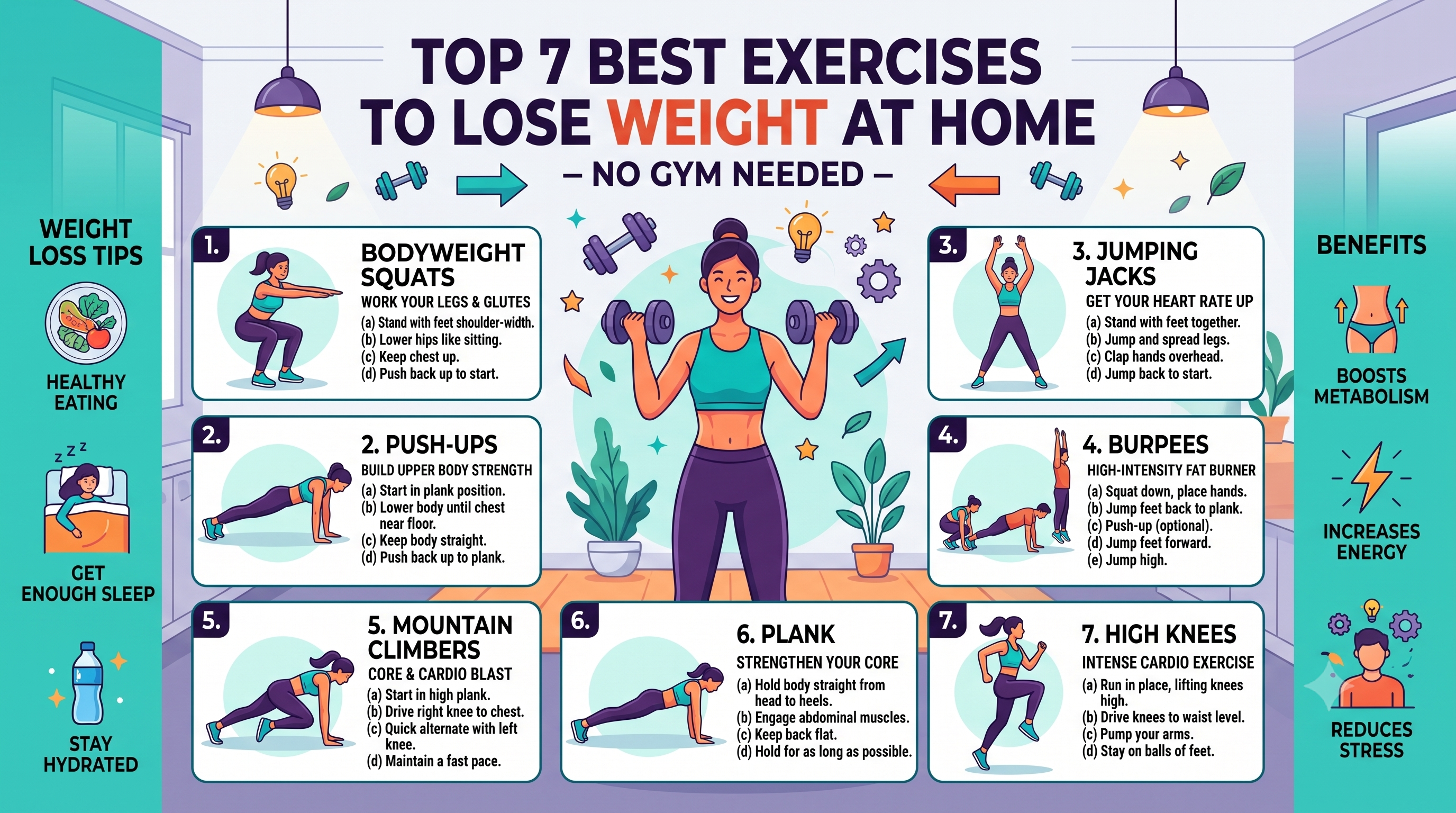
The best exercises for weight loss at home combine cardiovascular activity with resistance training to maximize calorie burn and build lean muscle. Exercises like pull-ups, push-ups, squats, lunges, planks, skipping rope, and yoga create a full-body workout that boosts metabolism, burns calories, and supports sustainable weight management. For best results, aim for 4–5 sessions per week, combine with a balanced diet, and stay consistent.
Introduction
Regular physical activity is a vital component of maintaining overall health. Exercise contributes not only to weight management but also supports cardiovascular health, bone strength, mood regulation, and general wellbeing.
For many people, the biggest challenge isn't motivation—it's practicality. Between work, commuting, family responsibilities, and general exhaustion, going to the gym regularly doesn't always fit real life. That's why home workouts can be a realistic and effective starting point for weight loss.
It is important to understand that both exercise and diet work together to support sustainable weight management. If one is prioritised while the other is neglected—for example, exercising regularly without dietary changes, or following a diet without physical activity—the body's response may vary. This could lead to slower progress, fatigue, or changes in metabolism.
Additionally, other factors such as sleep quality, stress levels, certain medical conditions (e.g., hypothyroidism, polycystic ovary syndrome), and medications can influence how the body responds to efforts aimed at weight loss. For individuals diagnosed with conditions such as diabetes, incorporating exercises appropriate to their health status can be beneficial. However, any exercise regimen should be discussed with a healthcare provider to ensure safety and effectiveness.
💡 The takeaway: Weight loss happens through overall calorie burn, muscle engagement, and consistency. The smartest approach is a mix of cardiovascular activity and resistance training, performed consistently and paired with a balanced, calorie-conscious diet.
7 Best Exercises for Weight Loss at Home
Here are seven effective exercises that can be practised at home, helping you improve strength, fitness, and overall wellbeing without the need for gym access or specialised equipment.
1. Pull-Ups (The Ultimate Upper Body Builder)
Pull-ups are one of the most effective bodyweight exercises for building upper body strength and burning calories. They engage multiple muscle groups simultaneously—back, arms, shoulders, and core—making them incredibly efficient for weight loss and muscle toning.
How to do pull-ups:
-
Stand upright and grip the pull-up bar with your arms fully extended
-
Bend your knees slightly and pull yourself upward until your chin rises above the bar
-
Lower yourself slowly back to the starting position with control
-
Repeat for 8–15 repetitions and complete 3–4 sets
Why pull-ups work for weight loss:
-
Engage large muscle groups, increasing calorie burn
-
Build lean muscle mass, which boosts resting metabolic rate
-
Strengthen core, back, and arms simultaneously
-
Create an "afterburn effect"—your body continues burning calories post-workout
Modifications for beginners:
-
Use a resistance band under your feet for assisted pull-ups
-
Start with dead hangs (just holding the bar) to build grip strength
-
Try negative pull-ups—focus on the lowering phase (3–5 seconds)
🏋️ Ready to start? Explore Slovic's Pull-Up Bars – Complete Collection and find the perfect bar for your home gym.
Related Collections:
-
Wall Mounted Pull-Up Bar – Heavy-duty strength training
-
Doorway Pull-Up Bar – Easy installation for home workouts
-
Multiple Grip Pull-Up Bar – Versatile training with wide, narrow, neutral, and hammer grips
-
Portable Foldable Pull-Up Bar – Compact and travel-friendly
-
Adjustable Pull-Up Bar – Grows with your fitness level
-
Pull-Up Bar Under ₹1000 – Budget-friendly options
-
Pull-Up Bar Under ₹1500 – Great value for money
-
Pull-Up Bar Under ₹2000 – Premium features at an affordable price
-
Kids Pull-Up Bar – Designed specifically for children
-
Discover Your Ideal Pull-Up Bar Today – Find the perfect fit for your needs
2. Push-Ups (The Classic Chest & Core Builder)
Push-ups are a widely practised bodyweight strength exercise that require no equipment and can be performed virtually anywhere. They primarily target the chest, triceps, shoulders, and core, helping to build upper body strength and muscular endurance.
While push-ups do not burn as many calories as aerobic exercises, they contribute to muscle development, which may support long-term weight management by modestly increasing resting metabolic rate.
How to do push-ups:
-
Choose an anti-slippery and flat surface
-
Place your hands facing forward and slightly wider than your shoulder width
-
Lift your hips by straightening your hands and form a straight line with your body
-
Bend your shoulders as low as possible towards the floor, push back, and straighten your arms
-
Repeat for 15 reps and complete 3 sets
Why push-ups work for weight loss:
-
Build lean muscle mass in chest, arms, shoulders, and core
-
Increase metabolic rate over time
-
Require no equipment—perfect for home workouts
Modifications for beginners:
-
Knee push-ups (on your knees instead of toes)
-
Incline push-ups (hands on a raised surface)
3. Squats (The Lower Body Powerhouse)
Squats are a lower-body strength exercise that primarily target the thighs, hips, and glutes. They help improve mobility, balance, and muscular endurance, making them a fundamental part of many fitness routines.
While squats may contribute to calorie expenditure and muscle toning, their main benefit lies in strengthening the lower body. Working the legs burns the most calories because they are the biggest muscle group.
How to do squats:
-
Stand upright with your feet positioned wider than hip-width apart, and your toes pointing forward
-
Bend your knees and ankles while pushing your hips back
-
Lower yourself into a squat position, ensuring both your heels and toes remain in contact with the ground
-
Maintain a 90-degree bend in your knees, keeping your body parallel to the floor
-
Press through your heels to straighten your legs and return to the standing position
-
Repeat for 15 reps and complete 3 sets
Why squats work for weight loss:
-
Engage the largest muscle groups in the body
-
Burn significant calories during and after exercise
-
Build lower body strength and endurance
Modifications for beginners:
-
Start with bodyweight squats only
-
Use a chair for support
-
Try wall squats (lean against a wall)
Related Products:
-
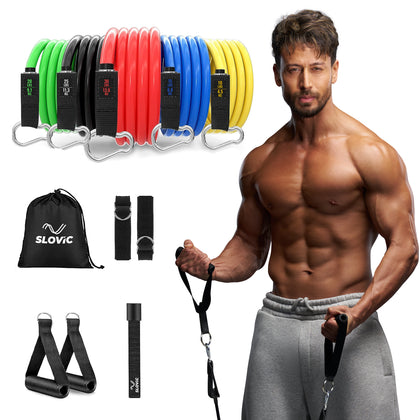
Resistance Bands – Add resistance to your squats
-
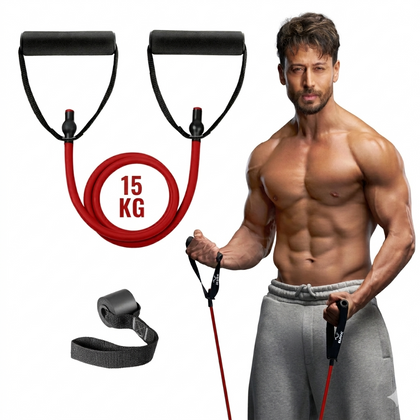
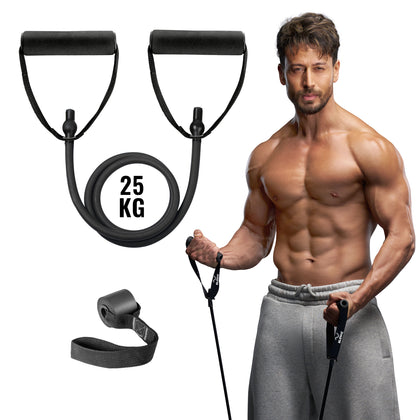
Resistance Tubes – Portable strength training
-
Resistance Bands Under ₹300 – Budget-friendly options
-
Resistance Band Under ₹500 – Great value
-
Resistance Tubes Under ₹300 – Affordable tubes
-
Resistance Tubes Under ₹500 – Premium quality
-
Latex Resistance Bands – Durable natural latex
-
Latex Resistance Tubes – High-quality tubes
-
Thera Bands – Professional physiotherapy bands
-
Mini Loop Bands – Perfect for glute activation
4. Lunges (The Balance & Strength Builder)
Lunges are a lower-body strength training exercise that primarily target the quadriceps, glutes, hamstrings, and engage the core for stability. They are effective for building lean muscle, improving balance, coordination, and lower body endurance.
While lunges can be part of a fat-loss programme when included in a high-intensity routine, their primary role is in toning and strengthening.
How to do lunges:
-
Stand straight with your back and abs upright
-
Bend your knee by keeping your right leg in the front
-
Bend your knee until your right thigh is parallel to the ground and left one perpendicular
-
Keep your front knee above your heel
-
Come back and bring your feet together
-
Repeat with your left leg
-
Perform 30 reps of alternate lunges
Why lunges work for weight loss:
-
Build lean muscle in legs and glutes
-
Improve balance and core stability
-
Can be combined with weights for increased intensity
Modifications for beginners:
-
Start with stationary lunges
-
Use a chair for balance support
-
Add resistance bands for increased challenge
Related Products:
-
Resistance Bands for Yoga – Perfect for lunges
-
Thera Band for Physiotherapy and Yoga – Professional quality
-
Thera Bands Under ₹300 – Budget options
-
Thera Bands Under ₹500 – Great value
5. Planks (The Core Stabiliser)
The plank is a core stabilisation exercise that targets multiple muscle groups including the abdominals, shoulders, back, chest, and hips. Though it appears simple, it requires muscular endurance and can be physically demanding when performed correctly.
Planks help improve core strength, posture, and body balance, and come in various forms to target different muscle areas. While not designed for high calorie burn or direct fat loss, planks are valuable for enhancing overall stability and muscular endurance.
How to do a standard plank:
-
Start in a push-up position with your hands directly under your shoulders
-
Keep your body in a straight line from head to heels
-
Engage your core and hold for 40–60 seconds
-
Repeat 3–4 times
Plank variations:
-
Forearm Plank: On forearms instead of hands—same muscle groups
-
Mountain Climbers: From plank position, alternately drive knees toward chest—full-body workout
-
Reverse Plank: Sit down, place hands behind hips, lift hips—targets core, shoulders, back, chest, and glutes
Why planks work for weight loss:
-
Strengthen deep core muscles
-
Improve posture and stability
-
Can be combined with other exercises for a full-body workout
6. Skipping or Jumping Rope (The Cardio Torcher)
Skipping is a fantastic cardiovascular exercise that burns significant calories while improving coordination, agility, and cardiovascular health. It's one of the most effective ways to burn calories in a short period.
How to do skipping:
-
Stand on a flat surface with your back straight
-
Keep your feet together and pointing straight
-
Hold the rope handles with your hands pointing downwards close to your thighs
-
Jump off the ground and let the rope pass under your feet
-
Repeat and increase your jumping speed consistently
Why skipping works for weight loss:
-
Burns 226–503 calories per hour depending on weight and speed
-
Engages the entire body
-
Improves cardiovascular fitness and coordination
Modifications for beginners:
-
Start with 1-minute intervals
-
Rest for 30 seconds between sets
-
Gradually increase duration
7. Yoga (The Mind-Body Connector)
Yoga is an ancient practice that integrates physical postures, controlled breathing, mindfulness, and relaxation. When combined with healthy eating and regular activity, yoga may support weight management, improve mental wellbeing, and enhance body awareness.
While not primarily focused on calorie burning, yoga promotes stress reduction, which can positively influence lifestyle habits. Some forms of yoga may also support flexibility, balance, and metabolic health.
Why yoga works for weight loss:
-
Burns 120–168 calories per 30 minutes (highly dependent on type and intensity)
-
Reduces stress and cortisol levels (which can contribute to weight gain)
-
Improves body awareness and mindful eating habits
-
Builds lean muscle tone
Key yoga poses for weight loss:
-
Warrior Pose
-
Triangle Pose
-
Bridge Pose
-
Bow Pose
-
Plank Pose
-
Downward Dog Pose
-
Sun Salutation (Surya Namaskar)
🧘 Enhance your yoga practice with Slovic's Yoga Accessories collection.
Related Collections:
-
Yoga Mats – Comfortable and non-slip
-
Yoga Mats Under ₹500 – Budget-friendly
-
Yoga Mats Under ₹1000 – Great quality
-
Yoga Mats Under ₹1500 – Premium options
-
Kids Yoga Mat – Designed for children
-
Anti-Burst Gym Ball – Perfect for core work
Calories Burned with Different Exercises
Below is a general guide to the approximate number of calories burned during various exercises, based on moderate intensity. Actual values can vary depending on factors such as body weight, age, fitness level, workout intensity, and duration:
| Exercise | Calories Burned (30 minutes) |
|---|---|
| Pull-Ups | 200–300 (varies by intensity and body weight) |
| Push-Ups | 150–250 |
| Squats | 200–300 |
| Lunges | 180–280 |
| Planks | 120–180 |
| Skipping Rope | 226–503 per hour (~113–251 per 30 min) |
| Yoga | 120–168 |
| Jogging/Running | 240–336 |
| Walking | 135–189 |
Best Time to Exercise
While many prefer to exercise in the morning, especially on an empty stomach, believing it may support fat metabolism, the most important factor is consistency. Morning workouts can help align your circadian rhythm, supporting better sleep and routine adherence over time.
Some studies suggest evening workouts may improve performance due to increased body temperature and oxygen efficiency. However, research remains inconclusive. Ultimately, the best time to exercise is the time that suits your schedule and lifestyle, allowing you to remain active regularly and sustainably.
Diet Tips for Weight Loss
Follow these tips to make sure your weight loss programme at home is done properly:
-
Avoid fad diets that promise quick results—they usually don't work and can be bad for your health
-
Be careful with weight loss pills, belts, or "magic" remedies—many of these only give short-term results and can be harmful
-
Never starve yourself—skipping meals can cause problems like indigestion, tiredness, and nausea, and it can slow down your metabolism
-
Replace refined carbs with complex ones like jowar, bajra, or oats
-
Ensure adequate protein (like paneer, dal, or eggs) to help your muscles recover after workouts
-
Stay hydrated—drink water throughout the day, especially during and after exercise
Your Action Plan: Best Exercises for Weight Loss at Home
If gym schedules feel unrealistic, home workouts can absolutely be a powerful place to start. The best exercises for weight loss won't magically target specific areas overnight, but they can support real fat loss when done consistently.
Weekly Schedule Recommendation:
| Day | Workout Focus |
|---|---|
| Monday | Pull-Ups + Push-Ups + Squats |
| Tuesday | Skipping + Lunges + Planks |
| Wednesday | Yoga (active recovery) |
| Thursday | Pull-Ups + Push-Ups + Squats |
| Friday | Skipping + Lunges + Planks |
| Saturday | Yoga (longer session) |
| Sunday | Rest or light walking |
Key Principles:
-
Start where you are—begin with low-impact versions if you're new to exercise
-
Stay regular—aim for 4–5 days a week
-
Give your body 2 days to recover so muscles can recover and adapt better
-
Focus on form over quantity—proper technique prevents injury
-
Combine cardio and resistance training for best results
How Slovic Supports Your Home Workout Journey
Slovic offers a comprehensive range of fitness equipment to support every aspect of your home workout routine:
Pull-Up Bars
Resistance Bands & Tubes
Yoga Accessories
Outdoor Sports
Swimming Accessories
Frequently Asked Questions
Q: How many times a week should I do home workouts for weight loss?
A: For visible fat loss, aim for 4–5 days a week. Give your body 2 days to recover so your muscles can recover and adapt better.
Q: Can I lose belly fat just by doing crunches?
A: No. This is a myth called "spot reduction." You have to lose body fat all over to lose belly fat—through full-body movements like pull-ups, squats, and a calorie-deficient diet.
Q: What is the best time to work out at home?
A: There's no single "best" time—it's whenever you can stay consistent. In summer, many prefer early mornings or cooler evenings for comfort and convenience. Wait at least 2 hours after your last meal.
Q: Do I need shoes for home workouts?
A: If you are doing high-impact moves like squat jumps or burpees, wearing shoes is highly recommended to protect your joints and provide better grip on tiled floors.
Q: Why do I feel hungrier after starting a home workout routine?
A: Starting workouts burns more energy, so increased hunger is normal. Choose protein-rich snacks like roasted chana or curd instead of biscuits to support recovery and avoid overeating.
Q: Is it okay to drink water during a workout?
A: Yes, especially during summer, take small sips of water to stay hydrated. Don't swallow big gulps at once, as it can lead to cramps while moving.
Q: Does drinking hot water with lemon in the morning burn belly fat?
A: Drinking hot water with lemon does not directly burn fat, but it may help with hydration and digestion. It only works for weight loss when combined with a calorie deficit and regular exercise.
Q: Can pull-ups help with weight loss?
A: Absolutely! Pull-ups engage multiple large muscle groups, burn significant calories, and build lean muscle mass—which boosts your resting metabolic rate and supports long-term weight management.
Q: What equipment do I need for home workouts?
A: You can start with just your body weight. For added variety and intensity, consider a pull-up bar , resistance bands , and a yoga mat .
Safety First: Important Guidelines
Safety is paramount when introducing any new physical activity:
-
Always warm up for 5–10 minutes before starting any workout
-
Focus on proper form over quantity—quality matters more than reps
-
Listen to your body—stop if you feel pain (not to be confused with muscle burn)
-
Stay hydrated—drink water before, during, and after exercise
-
Use proper equipment—ensure pull-up bars are securely fitted
-
Check weight capacity—never exceed the recommended limit
-
Inspect equipment regularly for wear, tear, or loose fittings
-
Consult a healthcare professional before starting any new exercise programme, especially if you have pre-existing conditions
Final Thoughts
So, what are the best exercises to lose weight at home? The answer isn't a single exercise—it's a combination of movements that challenge your entire body.
From pull-ups and push-ups to squats, lunges, planks, skipping, and yoga, the right mix of cardiovascular activity and resistance training can help you burn calories, build lean muscle, and achieve sustainable weight loss—all from the comfort of your home.
Start simple, keep it fun, stay consistent, and watch yourself grow stronger—one workout at a time.
Ready to get started? Explore the full Slovic fitness collection and find the perfect equipment for your home workout journey.
Disclaimer: This content is for informational purposes only. Exercise results may vary depending on individual factors such as diet, metabolism, and consistency. Consult a healthcare or fitness professional before starting any exercise program, especially if you have pre-existing medical conditions.