




Quick Answer: A PU yoga mat is a premium exercise mat with a polyurethane top layer bonded to a natural rubber base. The PU layer uses an open-cell structure that absorbs sweat on contact, making the surface grippier as you sweat—which is why it's the top choice for hot yoga, humid climates, and anyone who slides in Downward-Facing Dog.
What Is a PU Yoga Mat?
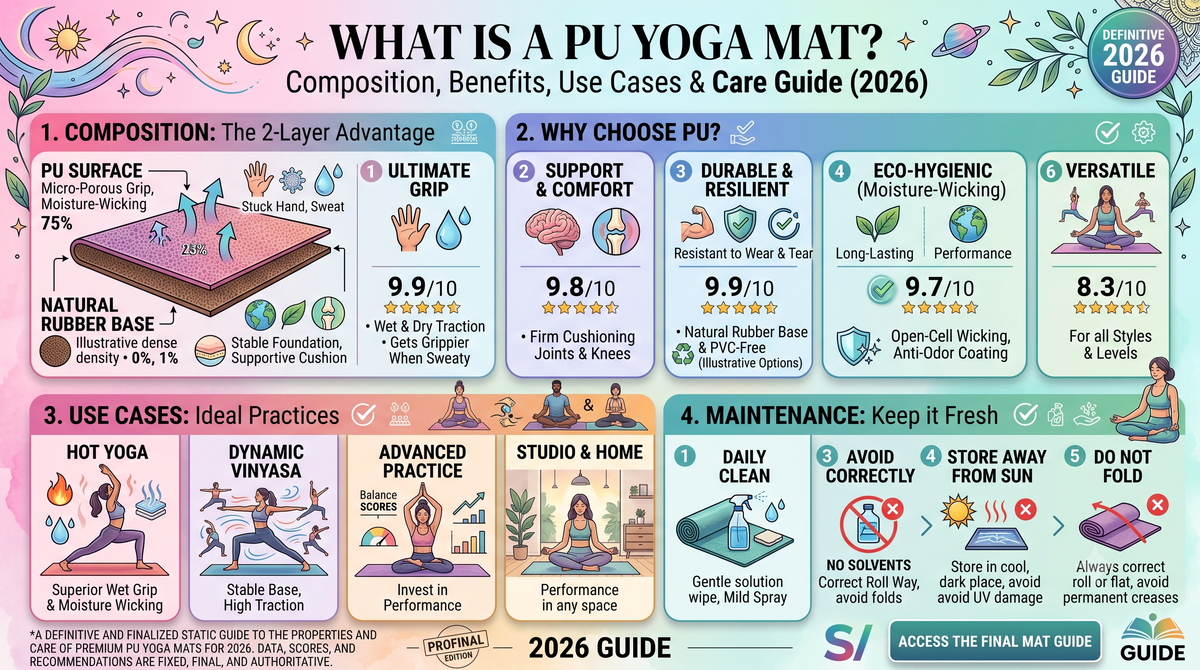
PU stands for polyurethane—a high-performance polymer used as the top surface layer on premium yoga mats.
Unlike PVC or TPE mats, which have a closed-cell surface that becomes slippery when wet, PU mats use an open-cell structure that absorbs moisture and creates traction. The more you sweat, the better the grip becomes.
A typical PU yoga mat has three layers:
| Layer | Material | Function |
|---|---|---|
| Top | Polyurethane (PU), open-cell | Sweat absorption, moisture-activated grip |
| Middle | Cotton or polyester fabric | Bonding layer between top and base |
| Bottom | Natural rubber | Cushioning, stability, floor grip |
This three-layer construction is patented technology used by premium brands like Lululemon and Manduka.
Why PU Yoga Mats Are Different: PU vs. PVC vs. TPE vs. Natural Rubber
Not all yoga mats are built the same. Here's how the four main materials compare:
| Feature | PU + Rubber | PVC | TPE | Natural Rubber |
|---|---|---|---|---|
| Grip When Wet | Excellent (sweat-activated) | Poor | Moderate | Good |
| Cushioning | High | Medium | Medium | High |
| Durability | High | High | Medium | High |
| Eco-Friendliness | Good | Low | Better | Excellent |
| Best For | Hot yoga, sweaty practice | Budget, general use | Travel, light practice | All-around, eco-conscious |
| Price Range (India) | Premium | Budget | Mid-range | Mid to Premium |
Key takeaway: PVC dominates the global market because of its low cost, but it performs poorly under sweat and has the weakest environmental profile. TPE is lighter and more eco-friendly than PVC, but grip drops noticeably in sweaty conditions. PU-over-rubber construction is the premium standard for hot yoga, with moisture-activated grip that outperforms every other material in wet conditions.
Benefits of a PU Yoga Mat
1. Sweat-Activated Grip
This is PU's superpower. The open-cell surface absorbs moisture and creates traction as your practice intensifies. In hot yoga or intense Vinyasa, your hands and feet stay planted exactly where you place them—no towel required.
2. Superior Stability for Balance Poses
Because PU mats are paired with a dense natural rubber base, they don't compress or shift under pressure. This gives you a stable foundation for standing balances, arm balances, and transitions.
3. Joint Protection
A quality PU mat cushions your knees, wrists, and elbows during floor work. If you have sensitive joints—or simply want to practice longer without discomfort—the cushioning matters.
4. Hygiene & Easy Maintenance
The closed-cell rubber base resists moisture absorption, so sweat doesn't seep into the mat. The PU surface itself is easy to wipe clean after each session.
5. Long-Term Value
While PU mats cost more upfront, their durability and performance often outlast cheaper options. A well-cared-for PU mat can serve you for 1–3 years of regular practice.
Who Should Choose a PU Yoga Mat?
A PU mat is ideal if you:
-
Practice hot yoga or Bikram yoga
-
Live in a humid climate (like most of India)
-
Sweat heavily during any style of yoga
-
Want maximum grip for arm balances and inversions
-
Are ready to invest in a long-term, high-performance mat
Important note: Because PU mats absorb sweat into their surface, they become personal, not shareable. Once sweat enters a PU mat, it's effectively yours—like a toothbrush. They're not suitable for studio equipment or shared use.
If you practice gentle, restorative yoga and rarely sweat, a TPE or natural rubber mat may be a better fit.
How to Choose the Right PU Yoga Mat
When shopping for a PU mat, check these specifications:
| Specification | What to Look For |
|---|---|
| Thickness | 4–5mm for stability; 5–6mm for extra cushioning |
| Dimensions | At least 183cm x 66cm for most adults |
| PU Content | Higher polyurethane percentage = better durability |
| Base Material | Natural rubber (not TPE or PVC) for stability |
| Weight | 2–2.5kg indicates solid construction |
| Alignment Lines | Helpful for beginners learning pose positioning |
How to Care for Your PU Yoga Mat
A PU mat is an investment—and with proper care, it will last for years. The key is understanding that the open-cell surface that makes PU grip so well can also clog if cleaned improperly.
Daily Care (After Every Session)
-
Wipe immediately with a soft damp cloth or microfiber towel—don't let sweat settle
-
Use only water or a designated PU-safe mat spray—never soap, vinegar, or essential oils
-
Air-dry completely before rolling—rolling a damp mat traps moisture and causes peeling
Weekly Deep Clean
-
Mix lukewarm water with a tiny drop of pH-neutral soap (no tea tree oil or vinegar—they degrade PU)
-
Work in small sections with gentle circular motions
-
Wipe off residue with a clean damp cloth
-
Never submerge or soak the mat
Storage Best Practices
-
Roll with the PU side facing outward to protect the grip surface
-
Store in a cool, dry place away from direct sunlight
-
Never leave in a hot car—UV exposure degrades the PU molecular bond
-
Avoid oil-based lotions before practice—they clog the microscopic pores
Building Your Complete Yoga Practice Setup
Your mat is the foundation—but the right accessories can take your practice to the next level. At Slovic, we've designed a full ecosystem of yoga accessories that work together to support flexibility, strength, and recovery.
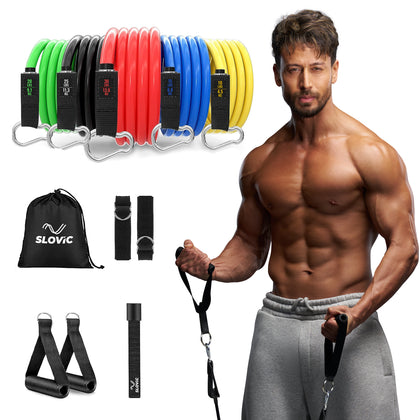
For strength & flexibility: Resistance bands for yoga add controlled tension to your asanas, helping you deepen stretches and build muscle. Available in multiple resistance levels.
For rehabilitation & recovery: Thera bands for physiotherapy and yoga are ideal for controlled strengthening of injured muscles and joints. Affordable options start from thera bands under ₹300 and thera bands under ₹500.
For core stability & balance: The Slovic anti-burst gym ball is a versatile tool for core training, balance work, and restorative yoga. Its anti-burst design ensures safe usage—even if punctured, it deflates slowly rather than bursting.
For family practice: The kids yoga mat range offers safe, colourful, lightweight options designed for younger practitioners.
Frequently Asked Questions
What does PU stand for in a yoga mat?
PU stands for polyurethane—a high-performance polymer used as the top surface layer of premium yoga mats. It's known for its sweat-activated grip and moisture-wicking properties.
Are PU yoga mats better than PVC?
For hot yoga and sweaty practices, yes. PU mats grip better when wet, while PVC becomes slippery. PU mats also have a better environmental profile than PVC.
Can I use a PU yoga mat for home workouts?
Absolutely. PU mats work well for yoga, Pilates, stretching, bodyweight exercises, and core training.
How long does a PU yoga mat last?
With proper care—regular cleaning, avoiding direct sunlight, and never storing damp—a PU mat lasts 1–3 years of regular practice. Signs it's time to replace: persistent odours, flaking of the PU layer, or reduced grip even when clean.
Are PU yoga mats eco-friendly?
PU mats are more environmentally friendly than PVC because they're typically paired with natural rubber bases and manufactured without harmful phthalates. However, they're not fully biodegradable like pure natural rubber.
Can I share my PU yoga mat?
No. Because PU mats absorb sweat into their surface, they're personal items—like a toothbrush. They're not suitable for studio or shared use.
Where to Buy Yoga Mats in India
Ready to upgrade your practice? Slovic offers a full range of yoga mats and yoga accessories with free shipping across India.
Shop by budget:
-
Yoga mats under ₹500 — reliable grip for beginners
-
Yoga mats under ₹1000 — great value for daily practice
-
Yoga mats under ₹1500 — premium performance and durability
Shop accessories:
Final Thoughts
A PU yoga mat isn't just a purchase—it's an investment in your practice. The sweat-activated grip, superior stability, and long-term durability make it the clear choice for anyone serious about hot yoga, humid climates, or simply getting a better grip on their mat.
Your mat is where your practice begins. Make it count.