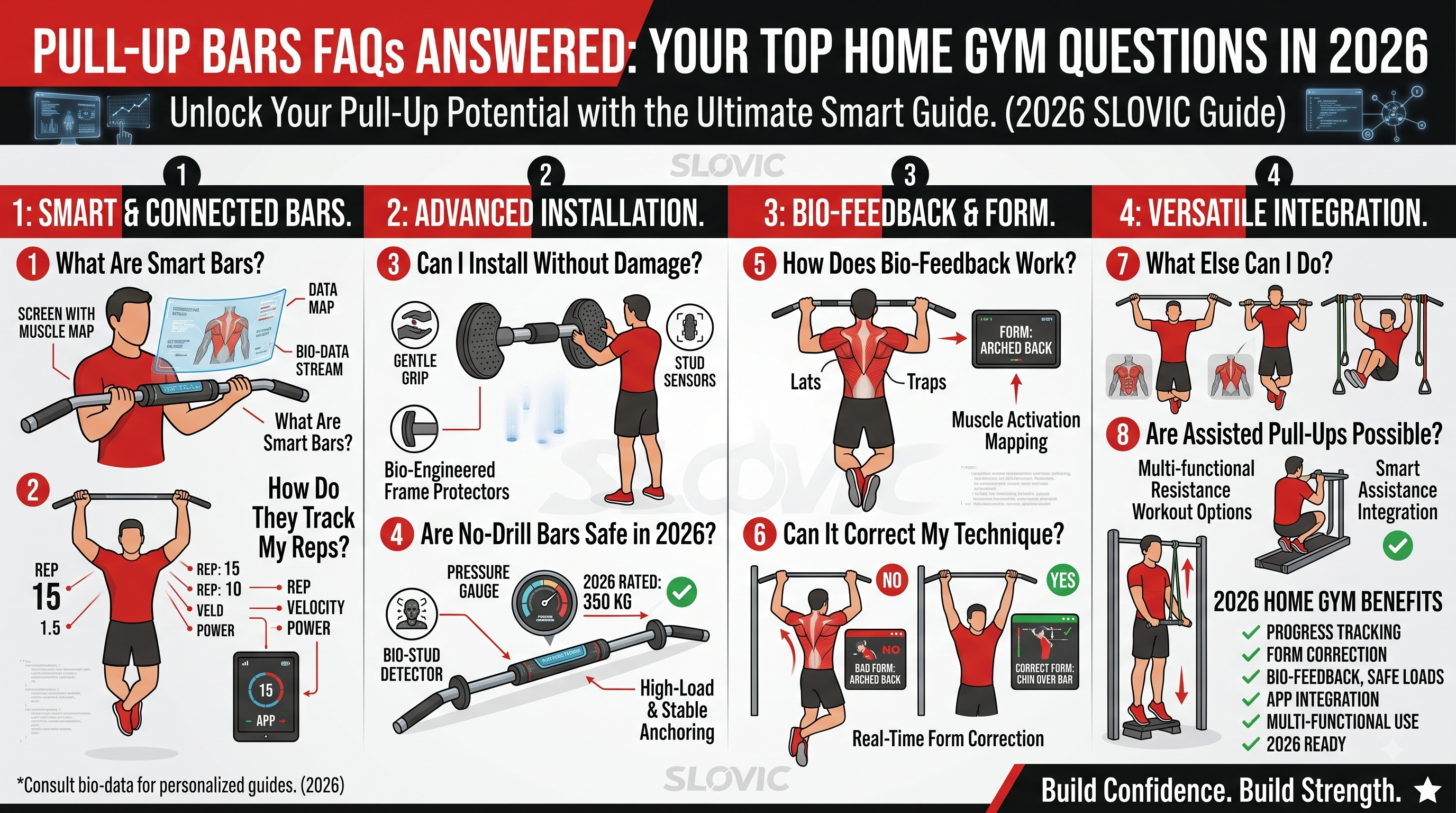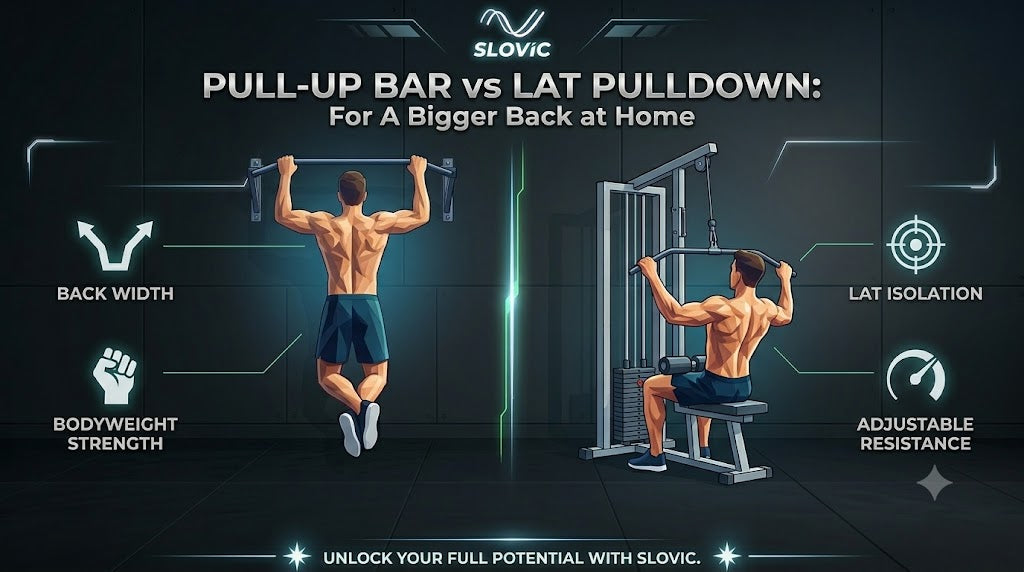





Before buying a pull up bar, most people don't just look at price and reviews — they search for very specific answers first. Will it damage my door frame? How much weight can it actually hold? Do I need to drill anything? This guide pulls together the questions people ask most often and answers each one directly, so you can shop with confidence.
If you'd rather skip ahead and browse everything at once, the full pull up bar collection has every style covered below.
"Can I get a pull up bar without drilling?"
Yes. A doorway pull up bar wedges into the frame using tension and padded end caps, so no screws, brackets, or wall damage are involved. This makes it the go-to option for renters or anyone who doesn't want to commit to permanent hardware. It's also quick to take down when you're not using it. Take a look at the doorway pull up bar range if this is your main concern.
"Is a wall-mounted pull up bar better than a doorway one?"
For pure stability and long-term durability, yes. A wall-mounted bar bolts directly into wall studs, which means it can generally support more weight and won't shift or flex during heavier sets or dynamic movements like kipping pull-ups. The trade-off is that it's a permanent installation, so it suits homeowners more than renters. If stability is your priority, the wall-mounted pull up bar collection is worth a look.
"How much weight can a pull up bar hold?"
This depends entirely on the mounting type and build quality. Doorway and portable bars typically have lower weight limits since they rely on tension or a foldable frame, while wall-mounted bars, anchored into studs, tend to hold significantly more. Always check the listed capacity against your own body weight plus a safety margin, especially if you plan to add resistance bands or weighted vests later.
"What's the best pull up bar for a small apartment?"
Space is usually the deciding factor for apartment dwellers. A portable foldable pull up bar folds down for storage in a closet or under a bed, while a doorway bar simply comes off the frame when you're done. Both options avoid the need for a dedicated, permanent setup.
"Do I need different grip positions on a pull up bar?"
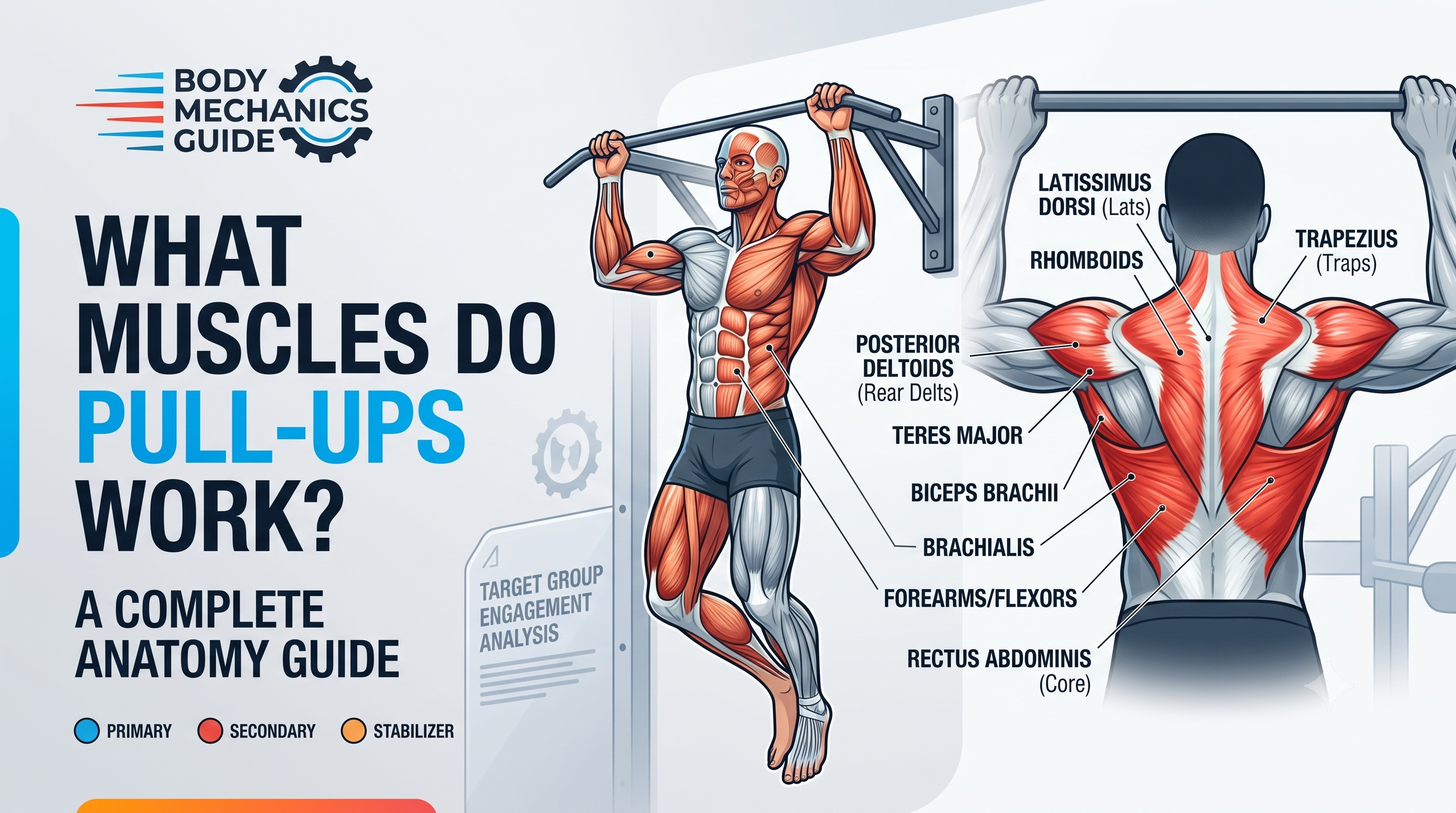
Varying your hand position changes which muscles do most of the work and reduces repetitive strain on the same joints. Wide grip emphasizes the lats, narrow or neutral grip brings in more biceps and forearms, and rotating your hand position mid-workout can help you train longer without discomfort. If variety matters to you, a multi-grip pull up bar covers several hand positions on one unit.
"Can the whole family use the same pull up bar?"
Yes, as long as it's adjustable. Height differences between family members mean a fixed bar might be too high or too low for some users. An adjustable pull up bar lets you change the height (and sometimes grip width) so it works for multiple people rather than being set up for just one.
"Is it safe for kids to use a pull up bar?"
It's safer to use a bar built specifically for kids rather than an adult-sized one. Children's hands, grip strength, and body weight are different, and a dedicated kids' bar accounts for that with a smaller frame and appropriate height. Supervision is still recommended. The kids pull up bar collection is built with younger users in mind.
"How much should I spend on a pull up bar?"
Budget mostly affects build quality, grip coating, and weight capacity rather than the core function. If you're testing the waters, pull up bars under ₹1000 are a low-risk starting point. For better padding and sturdier hardware, look at pull up bars under ₹1500. If you want multi-grip handles and reinforced steel, pull up bars under ₹2000 usually deliver more durability for the long run.
"I'm still not sure which pull up bar to get — where do I start?"
That's normal, given how many mounting types and price points exist. A good starting point is comparing your space (doorway, wall, or none at all), your budget, and who will be using it. This curated pull up bar picker is designed to help narrow it down without having to compare every listing manually.
Quick Answers at a Glance
- No drilling needed? → Doorway bar
- Maximum stability and weight capacity? → Wall-mounted bar
- Tight on space or like to travel? → Portable foldable bar
- Multiple hand positions in one bar? → Multi-grip bar
- Shared by people of different heights? → Adjustable bar
- Buying for a child? → Kids' bar
- Shopping on a budget? → Filter by price under ₹1000, ₹1500, or ₹2000
Final Thoughts
Most of the hesitation around buying a pull up bar comes down to a handful of recurring questions — drilling, weight capacity, space, and who's going to use it. Once you match your answer to the right category, the decision gets a lot easier. Browse the complete pull up bar range to compare every option side by side.